

Hauptinhalt
“The threat is in fluidity”. On water management, urban sanitation and racial segregation in colonial Congo
IRS Lecture by Johan Lagae, Ghent University
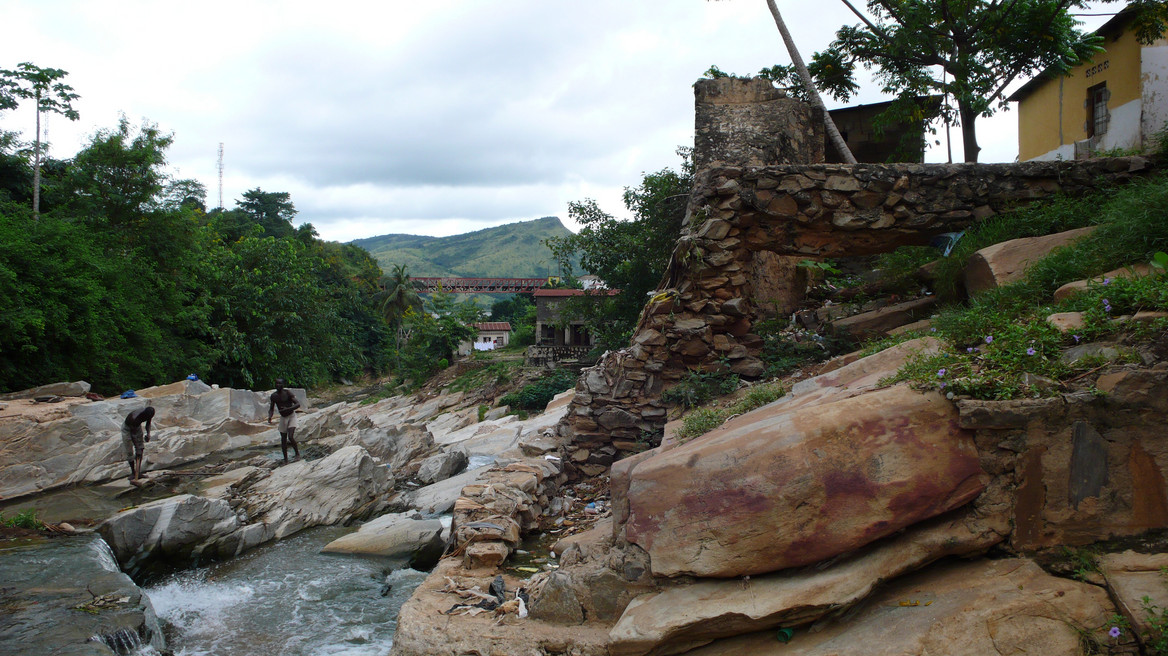
In this lecture, Johan Lagae will discuss practices of water management and sanitation in two cities in colonial Congo, exploring how these were intimately entangled with policies of racial spatial segregation: the port city of Matadi, which was central to the colonial mise-en-valeur (exploitation) of Congo; and Coquilhatville (today’s Mbandaka), the provincial capital of the Équateur province.
Drawing on a wide variety of sources —with a particular focus on visual materials — and using methods of walking and mapping these cities in close dialogue with Congolese researchers, the lecture seeks to demonstrate how local sanitation projects aligned with a broader colonial obsession with cleanliness and racial segregation, and how they were shaped by shared colonial cultures of dealing with this “threat in fluidity”. Operations of urban sanitation and segregation in Mbandaka and Matadi, including the provision of clean water or the draining of swampy areas, indeed drew on “selectively borrowing” from experiences in colonial Indonesia. Yet, as Lagae will argue, such transfer often resulted in messy and incomplete translations by what Nancy Hunt has called “the nervous state”. Despite the urgency to deal with the real “threat in fluidity to “safeguard” the mental well-being of the colonizer as well as the economic productivity of both the white and the black body, the interwar histories of these two cities reveal a remarkable ineffectiveness of responding to it.
As such, this lecture seeks to contribute to discussions on global urban history, showing that inter-imperial, South-South connections are a crucial dimension of writing an urban history of even such small towns as Matadi or Mbandaka, but also that such an endeavour requires an embodied understanding of local constraints.
Prof. Dr. Johan Lagae
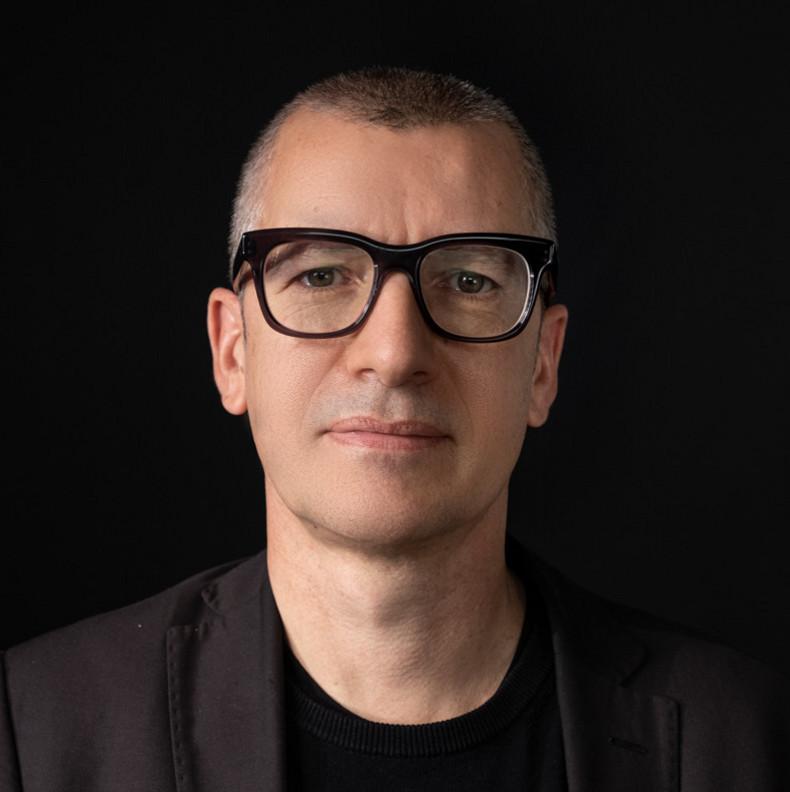
Johan Lagae is Full Professor at Ghent University where he teaches twentieth century architectural history with a global focus. He is co-founder, editorial board member, and former co-editor-in-chief of ABE journal, and moreover was involved as a (co-)curator in several major Congo-related exhibitions. He has published widely on architectural and urban history in (post)colonial Central-Africa, in particular in relation to the Democratic Republic of Congo, as well as on built heritage, photography and construction history in (post)colonial contexts. Together with architect Nina Berre and anthropologist Paul Wenzel Geissler he recently co-edited the volume African Modernism and its Afterlives (Intellect, 2022). In 2019-2020 he was a fellow of the Institute for Advanced Studies in Paris.