

Main Content
What Values Determine the Future of Regions?
New Junior Research Group Investigates Social Valuation Processes in Structural Change
Structural change is not just a question of technology or funding. It is also about valuations: which types of work, skills and visions of the future are considered valuable, and which are no longer? Who decides this? Since 1 September 2026, geographer Jonathan Friedrich has been investigating these questions at the IRS. He heads the new Junior Research Group "Value and Evaluation in Structural Change" and is also a junior professor of urban and regional sociology at the BTU Cottbus.
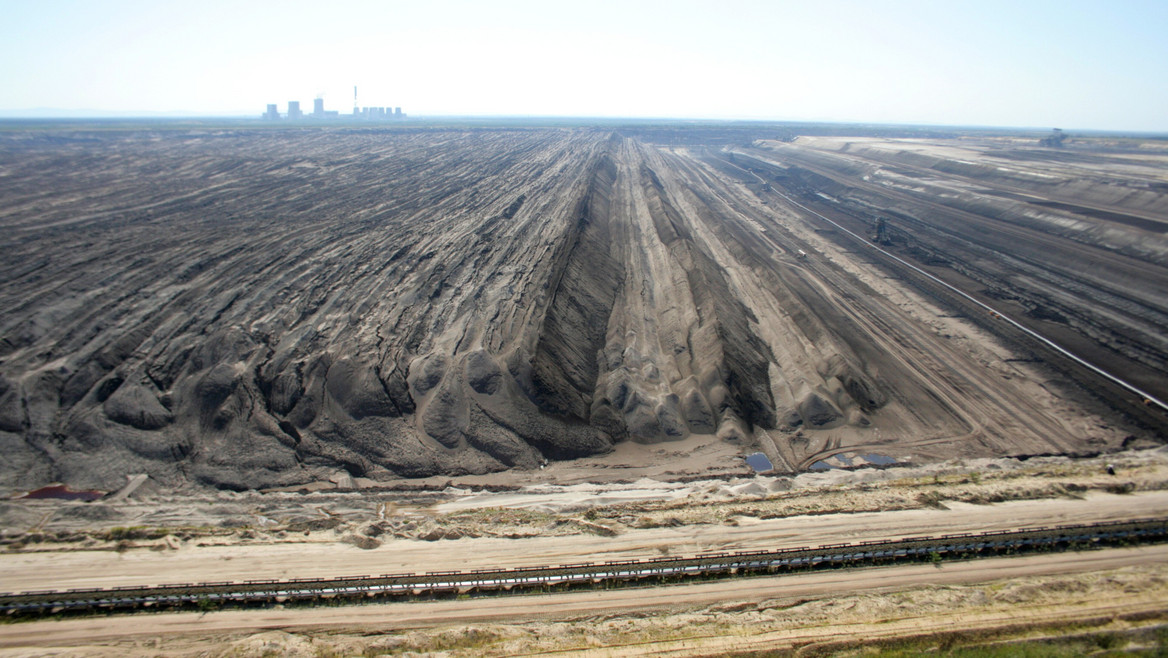
The Junior Research Group is investigating how, in regional transformation processes – such as the phase-out of coal – socially shared values are negotiated and come to bear spatially. Lusatia in Brandenburg is one of the areas under study.
On the one hand, the research asks how new ideas, technologies and organisational forms are evaluated, and consequently selected and implemented. On the other hand, it examines how existing practices and bodies of knowledge are devalued and thus lose significance, are forgotten or even actively unlearned. This perspective on valuation and devaluation in the shaping of regional transformation processes has so far been little explored in research.
Not just Lusatia – an international comparison
The research is not limited to Brandenburg. As part of doctoral projects, other regions both in Germany and abroad are being analysed. This enables an international comparison. How do valuation processes differ in various political, economic and cultural contexts?
“Regional transformation processes are characterised by actors with different ideas and interests vying for the future,” says Jonathan Friedrich. “We want to better understand how these negotiation processes unfold and what opportunities for shaping the future arise from them. This also involves questions of participation and justice.”
Combining research and practice
“The Junior Research Group conducts fundamental research whilst simultaneously developing practically applicable knowledge in collaboration with stakeholders from the regions. This is precisely the kind of research the IRS stands for,” explains Oliver Ibert, Scientific Director of the IRS.
“This appointment strengthens our close collaboration with the IRS and enriches our research profile ‘Global Change and Transformation Processes’,” says BTU President Gesine Grande. “By jointly funding the Junior Research Group associated with the professorship, BTU and the IRS are demonstrating an exceptional commitment to building inter-institutional research expertise and fostering close academic exchange.”
About Jonathan Friedrich
Dr Jonathan Friedrich is a human geographer. His research focuses on the geography of sustainability transformations, in particular their spatial organisation, negotiation and effectiveness. From 2024 to 2026, he was a postdoctoral fellow at the Department of Human Geography at Lund University in Sweden, and from 2019 to 2024, a research associate at the Leibniz Centre for Agricultural Landscape Research (ZALF). In his doctoral thesis at the Georg-August University of Göttingen, he examined the transition towards sustainability in German livestock farming.