Clementina Irimină
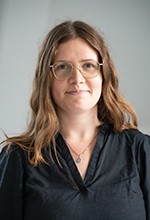
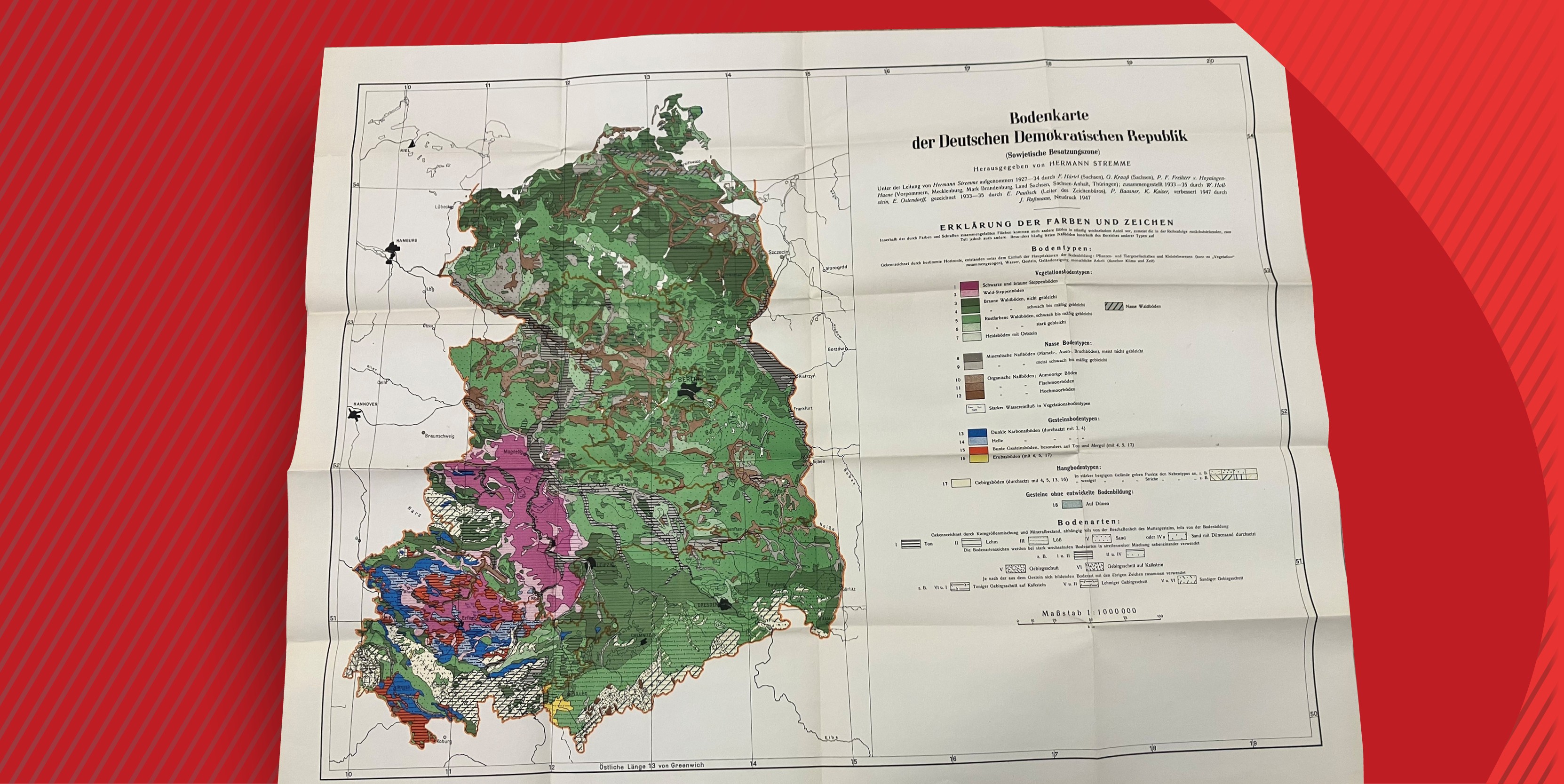
Since December 2025, Clementina Irimina has been working as a research associate in the new lead project of the Research Area “Contemporary History and Archive” at the IRS entitled „Geschichte von unten – revisited. Boden als vernachlässigte Grundlage historischer Prozesse im langen 20. Jahrhundert“. As part of this project, she works on her PhD thesis about the transformation of land use and land ownership in late socialist and post-socialist regimes in transnational comparison. Previously, she contributed to an interview project on the history of the of the Bauakademie (Building Academy) of the GDR.
She studied history at the University of Bucharest and at the Humboldt-Universität zu Berlin. During her studies, she attended an Erasmus exchange semester at the Ruhr-Universität Bochum and worked as a student assistant in the research department and as a guide at the Berlin-Hohenschönhausen Memorial. In her Master’s thesis she examined the culture and cultural policy in the early Cold War era and analyzed the development of the East Berlin theater landscape in the early post-war period. Her main areas of interest are contemporary, architectural and cultural history, particularly in relation to the GDR and Eastern Europe.