Research Infrastructure Group

Digital History/Scientific Collections
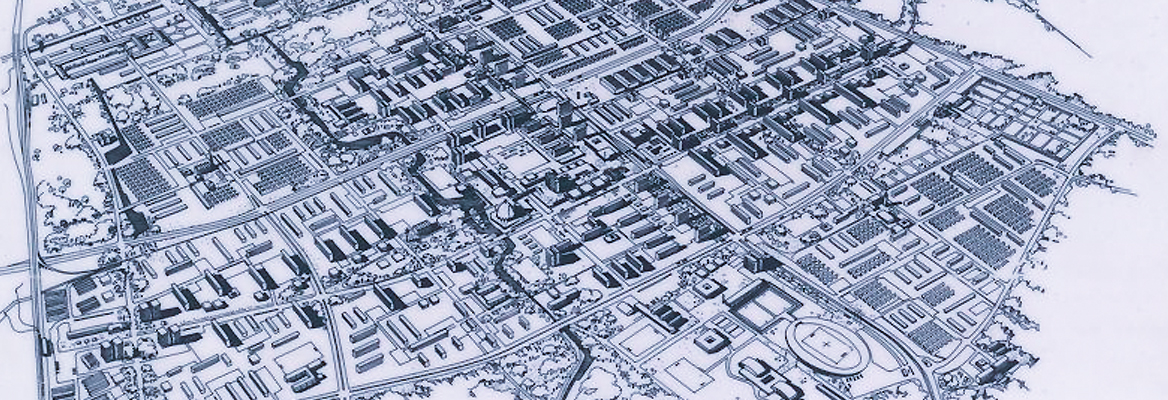
The research infrastructure group comprises the scientific collections on the recent architectural and planning history of East Germany. Whereas its focus was previously on the GDR era, it now also covers the period after 1990. At the same time, the group is building up a portfolio of digital history activities, primarily in the areas of mapping (GIS) and 4D reconstruction, text mining and the use of AI – each with close links to the holdings of the scientific collections. At its core, the group continues to collect, catalogue, make accessible and disseminate in various ways the relevant papers of East German figures from the fields of architecture and planning. Domestic and international users from research and other fields have access to this important special archive on the recent urban development and spatial history of East Germany and are supported by the collection team. Citizens are also involved in the work: through citizen science projects, they contribute to the description of visual objects, among other things. The group presents digitised archival materials on the online portal stadt-raum-geschichte.de, which also invites the public to participate.
Ongoing Projects

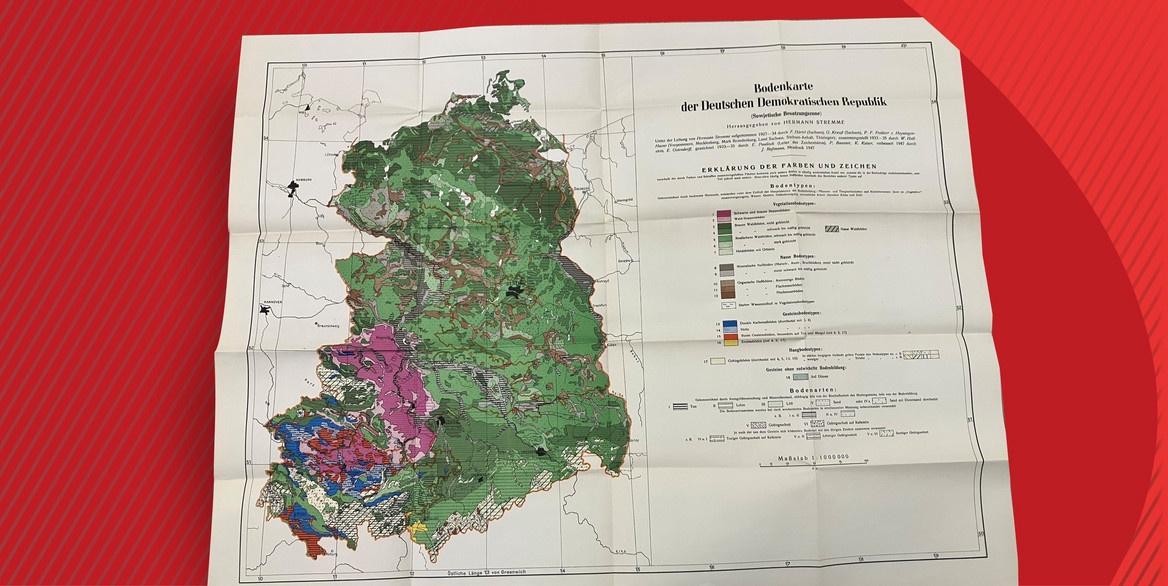
The Lead Project places “Boden” (the German term for soil, land and ground) at the centre of historical research as a so far neglected yet central aspect. Boden is understood as an open, historically evolved and contested category that cannot be analytically reduced to a single dimension. The development of a participatory glossary that documents the meaning and use of the term throughout historical change will reflect on this multivalence. more

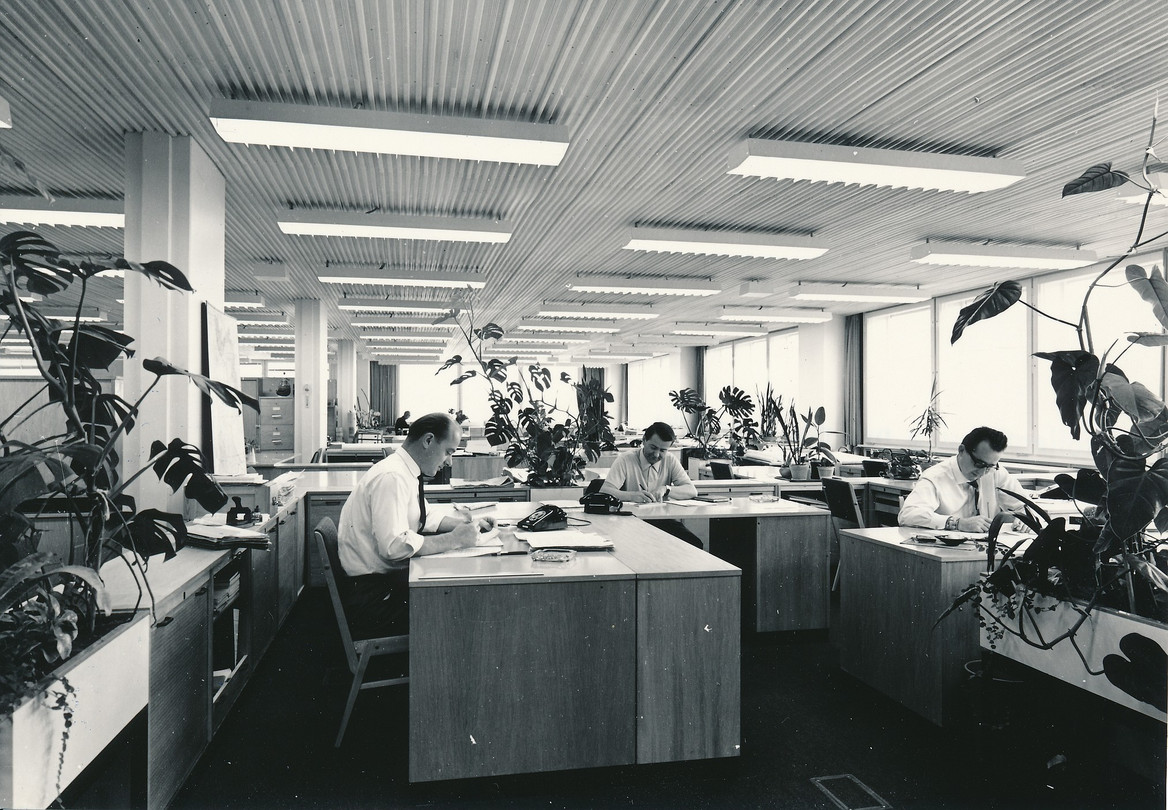
The Bauakademie der DDR, founded on 25 January 1951, formed the heart of the East German construction industry for four decades. As a central institution, it brought together the GDR's most important research and development work in the fields of architecture, urban planning and the construction industry. Its aim was to promote the reconstruction and structural reorganisation of the GDR in accordance with the ideological and political guidelines of the state and to create the technical foundations for the construction industry. more

The project explores entanglements of Afro-Asian actors during the Cold War, focusing on persons, practices and their everyday sites of interaction. Recent research has taken note of voices from Africa and Asia, yet little is known about their interconnections. Overlooking these has given us a one-sided picture of the Cold War in which the global South only appears as a theatre of bloc politics. CRAFTE proposes to fill this gap by critically engaging with the lived world(s) of Afro-Asian connections, to show how these were embedded in, but also, how they shaped the global Cold War. more