
Main Content
Go directly to:
Leibniz-Institut für Raumbezogene Sozialforschung

Shaping research together and creating knowledge together – that is the aim of our new research programme.
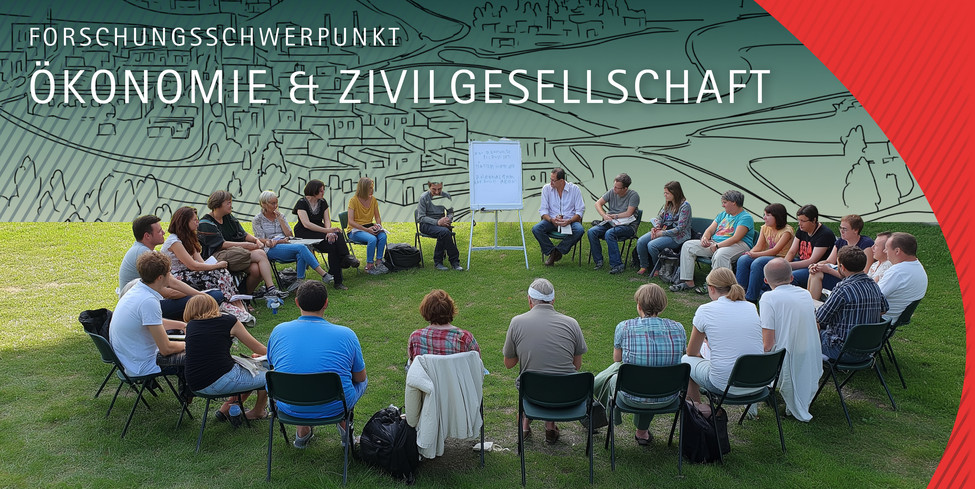
Alternative economic models emerge in response to social crises. This Lead Project examines how mission-driven organizations, such as cooperatives, create value and how they can contribute to transitions.
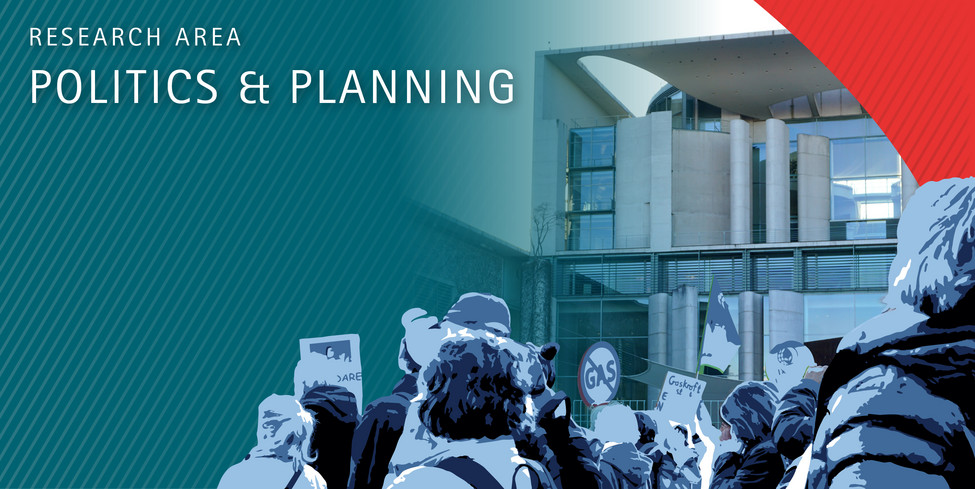
The housing crisis and the climate crisis are interconnected, as are their potential solutions. That is why this Lead Project brings together previously separate fields of research and fosters dialogue among practitioners.
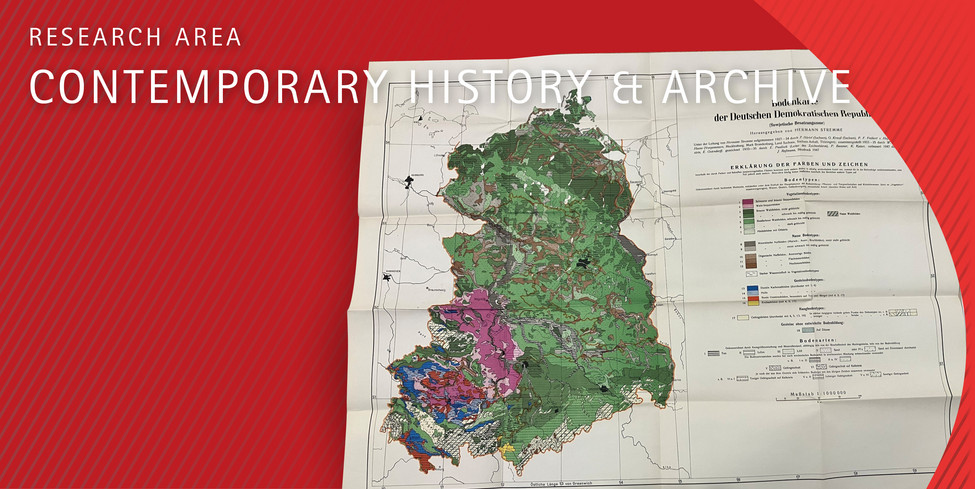
“Boden” (German for land, soil) has long been neglected as a category in historical research. The flagship project explores the relationship between land and space. It is collaboratively developing a glossary on the meaning and usage of the term.

What are the potentials, contradictions, and limits of urban scholarship that aspires to be both analytical and transformative? The 2026 IRS Spring Academy will address this question.

Whether wind turbines or housing construction - planning projects are increasingly characterized by conflicts. However, the increase in conflicts is not limited to spatial planning: every debate about shaping the future today is burdened by fundamental conflicts about identity, belonging and truth. This issue (only available in German) reports on conflicts over LNG terminals on Rügen and in Wilhelmshaven, the supposed conflict between social and climate-friendly housing policy and how to deal with right-wing mobilization in cities.

The portal Stadt-Raum-Geschichte.de is part of the digital strategy of the Research Area "Contemporary History and Archives". The unique holdings of the Scientific Collections are gradually being made accessible there in digitalised form. Plans, photos and architectural designs can be searched for thematically and in a map view. The portal also provides insights into the research activities of the Research Area.
Main Content